Thinking about moving to Kingston and wondering how life actually feels day to day? You want coastal access without the crowds, a manageable commute to Boston, and the basics close by. You also want a quiet neighborhood and room to breathe. This guide gives you a clear picture of everyday life in Kingston, from parks and beaches to commuting options and practical tips for buyers and sellers. Let’s dive in.
Where Kingston fits on the South Shore
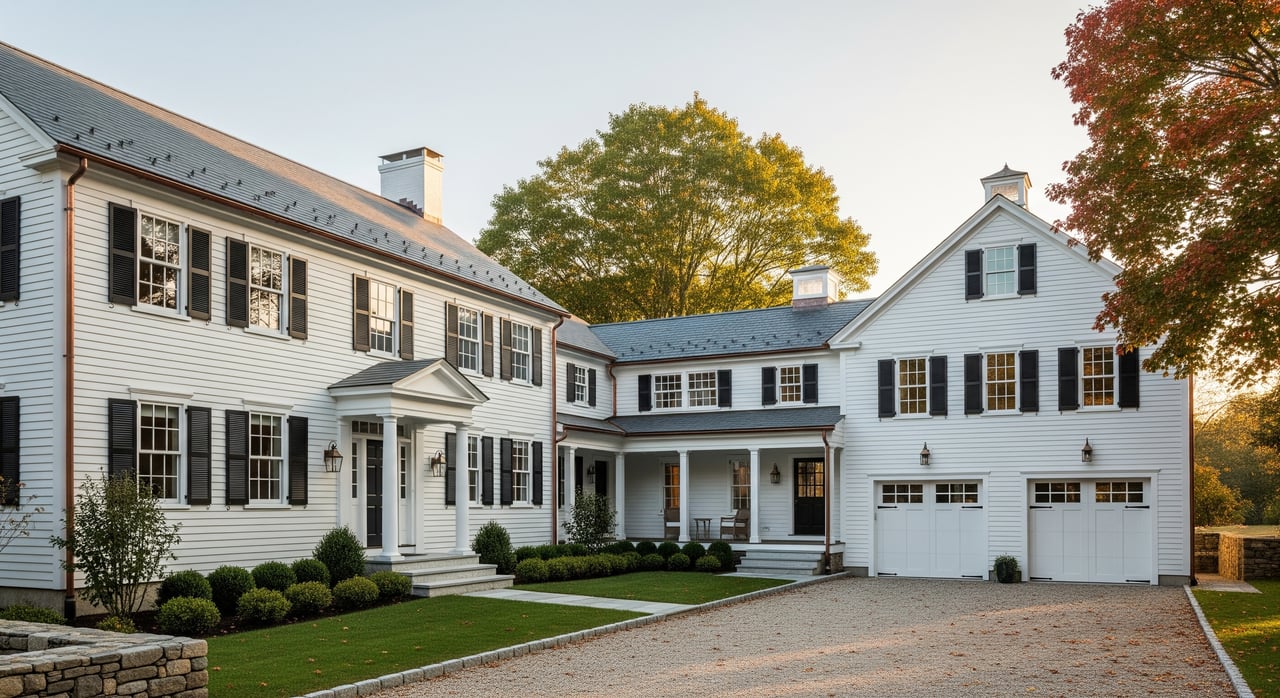
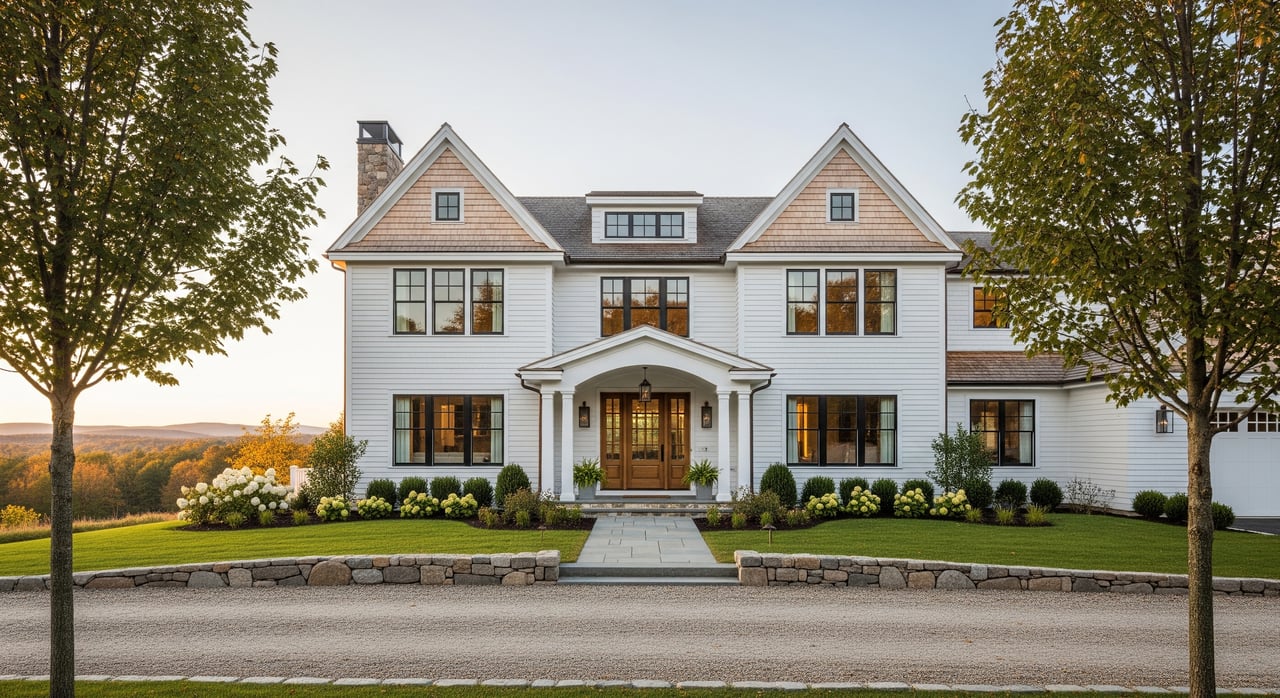
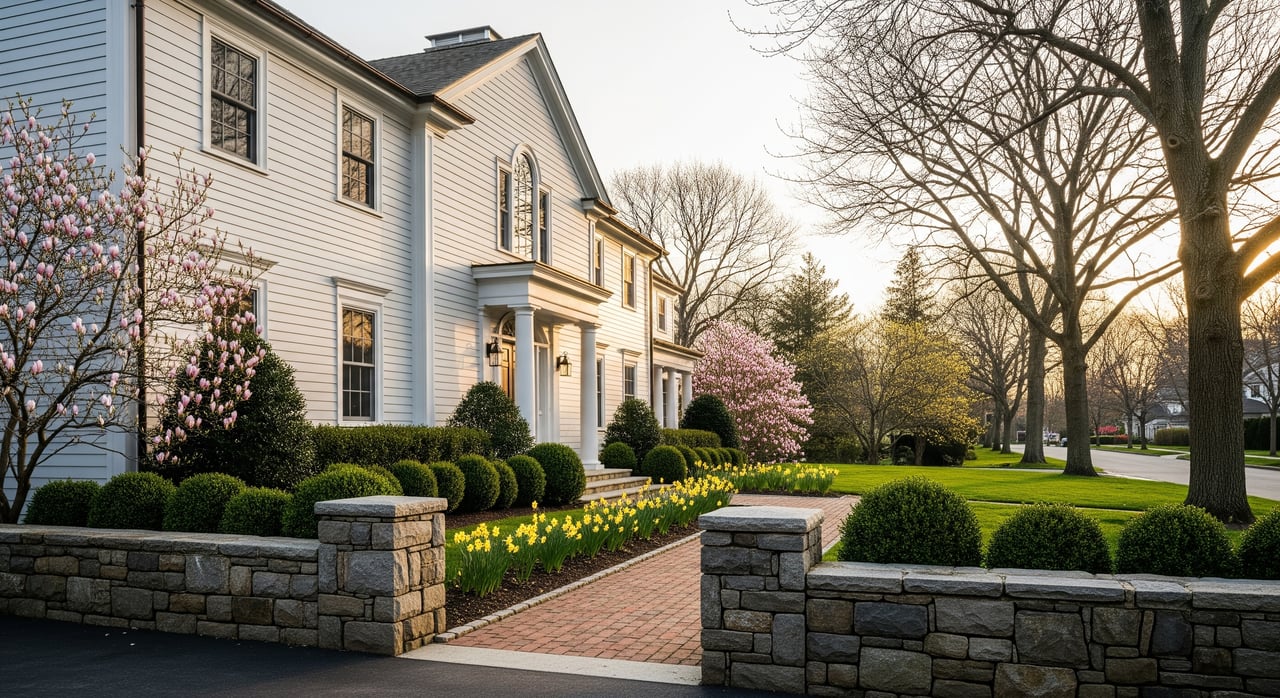
Kingston sits in Plymouth County on the South Shore, close to Cape Cod Bay and just north of Plymouth. You get a small‑town, suburban setting with low‑density neighborhoods and a quieter pace than the inner suburbs. Most areas feature single‑family homes, with some denser pockets near the town center and the commuter rail station.
The housing mix includes classic colonials and ranches, plus newer subdivisions. Near local ponds and rivers, you may find properties with water views or access. Day to day, you can handle basic errands in town, while larger shopping trips and entertainment are a short drive away in Plymouth or along Route 3.
Parks and outdoor recreation
You have easy reach to conservation land, inland water, and the coast. Many residents choose Kingston for exactly this balance of green space and salt air.
Local trails and conservation land
Kingston’s conservation network lines up well for daily walks, dog‑walking, and short hikes. The Jones River corridor runs through town and offers a natural route for paddling, fishing, and trails. Local conservation groups and the town typically maintain small parcels and access points, so you can get outside without a long drive.
Ponds and freshwater spots
Inland water is part of daily life across the South Shore. Silver Lake and nearby ponds are popular for kayaking, fishing, and seasonal swimming. Some local beaches on ponds may require resident permits during peak season, so check town rules before you go.
Coastal access nearby
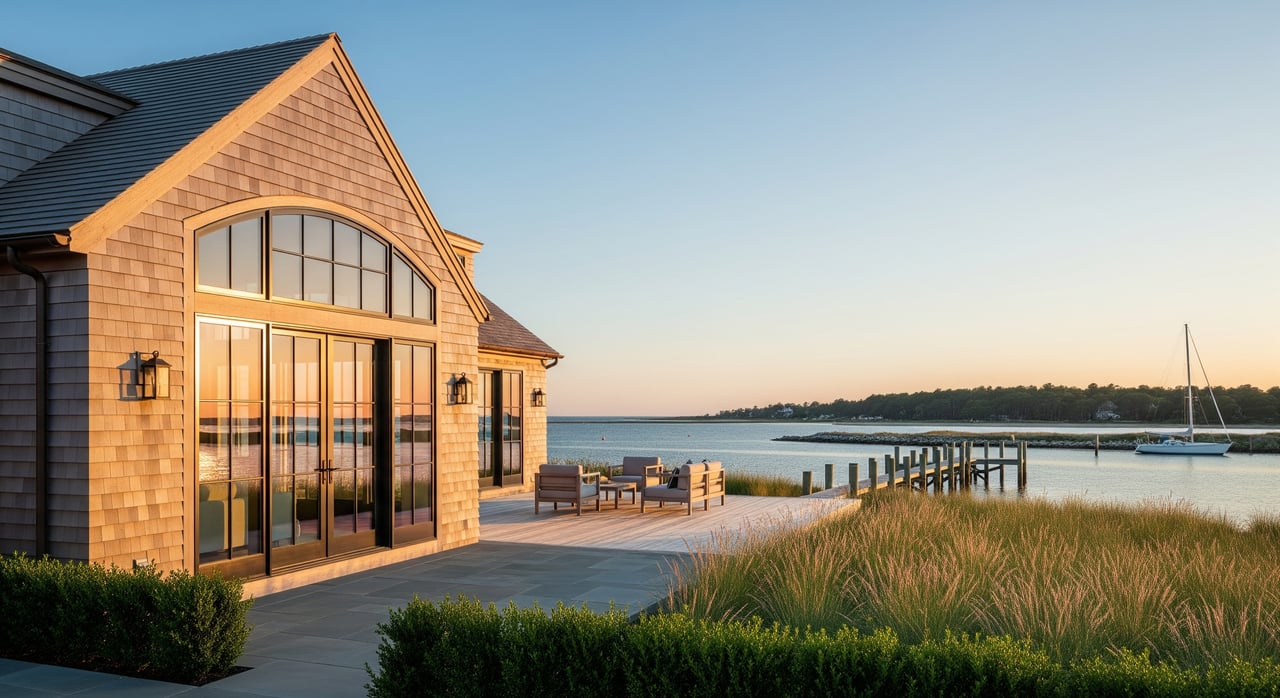
While Kingston is not a barrier‑island beach town, you are close to the shoreline. Plymouth’s waterfront, public beaches, and historic areas are a short drive away. Duxbury Beach and other South Shore beaches are also within reach, with seasonal parking rules that can change year to year. If you boat or fish, you will likely launch or keep a slip in nearby Plymouth or Duxbury.
Day‑trip parks
Regional destinations such as Myles Standish State Forest and coastal reservations offer larger trail systems, biking, camping, and seasonal events. Most are within a reasonable drive for a half‑day or full‑day escape.
Commuting from Kingston
Your commute choices shape daily rhythm. Kingston gives you flexibility with the MBTA Commuter Rail and direct highway access on Route 3.
MBTA commuter rail basics
Kingston is served by the commuter rail line that connects the South Shore and the Plymouth area to Boston’s South Station. Riders commonly use the park‑and‑ride near the station and catch peak‑hour trains during the week, with lighter off‑peak and weekend schedules. Fares are zone‑based, and many regular riders use monthly passes. The ride to South Station is often around an hour, depending on the train pattern and time of day.
Parking at the station can fill on busy weekdays, so it is smart to check lot capacity and any permit rules before you commit to a routine.
Driving on Route 3 and 3A
Route 3 is your primary artery north to Boston and south toward Plymouth and Cape Cod. It is efficient outside peak periods but can back up near major interchanges, especially approaching the Braintree and Quincy corridors during rush hours. Route 3A and local roads offer alternatives through neighboring towns, though they are slower and subject to lights.
Airport and other connections
To reach Logan Airport, you can drive or pair the commuter rail with subway connections from South Station. Travel times vary a lot with traffic and the time of day. Seasonal ferries and intercity bus options may run from nearby towns, which can be useful for occasional trips.
Daily conveniences and services
Kingston covers the essentials, with bigger choices a short hop away.
Town center and shopping
The town center includes municipal buildings and a handful of cafés, restaurants, and service businesses. For larger retail, you will head to Plymouth or shopping areas along Route 3. Expect standard big‑box options, supermarkets, and specialty retailers within a short drive.
Groceries, pharmacies, and healthcare
You will find grocery stores and pharmacies in Kingston and adjacent towns. For healthcare, clinics and urgent care are close by in Plymouth and other South Shore hubs. Larger hospital systems, including South Shore Hospital in Weymouth and hospitals in Plymouth or Brockton, are within a regional drive.
Schools and family services
Public schools serve Kingston residents from elementary through high school. Because programs and enrollment change over time, review the latest reports from Massachusetts DESE and the local district pages when you are actively comparing options. Childcare, preschools, and after‑school programs are offered by a mix of private providers and community organizations, and waitlists can be common.
Dining and culture
In town, you will find a suburban mix of casual dining and takeout. For a broader range of restaurants, nightlife, and historic attractions, head to Plymouth’s waterfront and downtown. Kingston’s library and community programs offer steady, family‑friendly events throughout the year.
Practical pros and cons
Every town involves tradeoffs. Here is what many buyers weigh in Kingston.
Pros
- Straightforward access to Boston via commuter rail to South Station.
- Direct Route 3 access for regional trips and Cape Cod getaways.
- Quiet, suburban neighborhoods with larger lots in many areas.
- Coastal and freshwater recreation within short drives.
Cons
- Route 3 bottlenecks can stretch drive times during rush hours.
- Some specialty shopping and entertainment are outside town.
- Waterfront or near‑coast homes may involve flood risk and higher insurance.
South Shore vs North Shore
If you are comparing Kingston with North Shore towns, think about commute patterns, lifestyle, and your destination in Boston.
- Commute endpoints. South Shore commuter rail feeds South Station, while many North Shore towns connect to North Station or offer seasonal ferries. Choose based on where you work and your preferred route.
- Coastal vibe. North Shore towns often have denser, historic waterfront centers with seasonal tourism. The South Shore tends to offer more suburban lots and easier access to Cape Cod.
- Market mix. Inventory and pricing vary by town and neighborhood. Compare current listings and plan for tradeoffs that match your budget and timeline.
Coastal risk and insurance basics
If you are considering properties near the coast, plan ahead for risk and cost.
- Flood zones. Check FEMA flood maps and local Flood Insurance Rate Maps to understand elevation and potential exposure.
- Insurance. Flood and windstorm coverage can affect total ownership cost. Premiums and underwriting standards change, so review quotes early in your search.
- Building rules. Local zoning and coastal construction requirements may affect renovations, additions, or new builds.
- Town planning. Many communities publish hazard mitigation and resilience plans that outline future priorities and potential projects.
How to choose your spot in Kingston
Use a simple process to narrow neighborhoods and property types.
- Map your commute. Test both the train and Route 3 during your typical hours. Confirm station parking and backup options.
- Plan your weekend. List your go‑to beaches, ponds, and trails, then map distances and parking or permits.
- Prioritize daily errands. Identify your top grocery, pharmacy, and healthcare stops and verify drive times during after‑work hours.
- Align on property needs. Decide whether you want a quieter interior street, proximity to town center, or water access nearby. Note any renovation plans and check local rules.
- Budget with total cost in mind. Factor potential flood insurance, commuting passes, and any permit costs for recreational access.
The bottom line
Kingston offers a calm, suburban base with quick access to the coast and flexible routes into Boston. You get practical conveniences, strong outdoor options, and a lifestyle that balances workday realities with weekend escapes. If you want South Shore living with room to breathe, Kingston is worth putting on your short list.
Ready to explore homes and compare neighborhoods with a clear plan? Reach out to Davis McVay for a data‑informed strategy, clear financing guidance, and a step‑by‑step path to your next move.
FAQs
What is the commuter rail like from Kingston to Boston?
- The MBTA commuter rail connects Kingston to South Station, with peak‑hour trains and lighter off‑peak schedules; the ride is often around an hour depending on the train and time of day.
How reliable is station parking at Kingston’s stop?
- Park‑and‑ride lots are available and can fill on busy weekdays; check current capacity, permits, and any waitlists before you set a daily routine.
How long does it take to drive from Kingston to Boston?
- Times vary widely with traffic; Route 3 is the fastest path but can back up near major interchanges during rush hours, so plan for extra time on peak days.
Where do Kingston residents go for beaches and boating?
- Many head to Plymouth’s waterfront and Duxbury Beach for ocean access; most boat launches and marinas are in nearby Plymouth or Duxbury rather than Kingston itself.
Are there flood risks for Kingston homes near the coast?
- Some coastal and near‑coast properties may sit in FEMA flood zones; review maps, local building rules, and insurance quotes early in your search.
Where do Kingston residents go for major shopping and healthcare?
- Daily needs are in town or adjacent areas, while larger retail and hospital services are in nearby hubs such as Plymouth or along the Route 3 corridor.