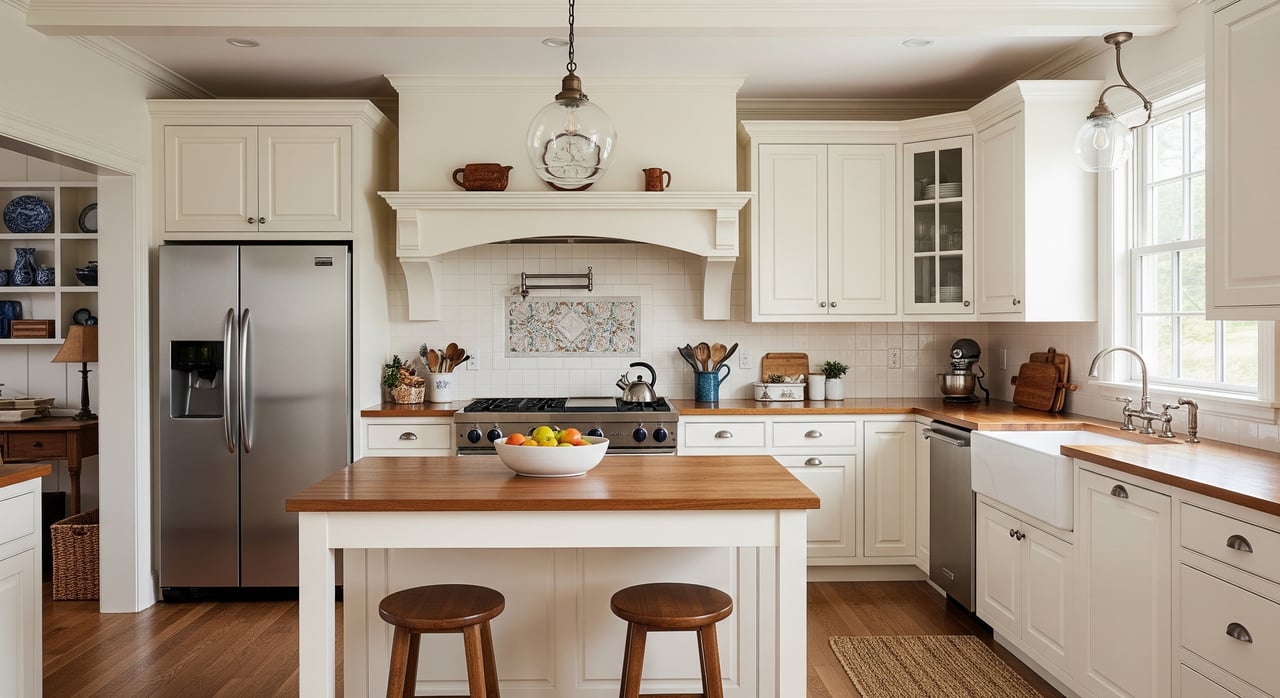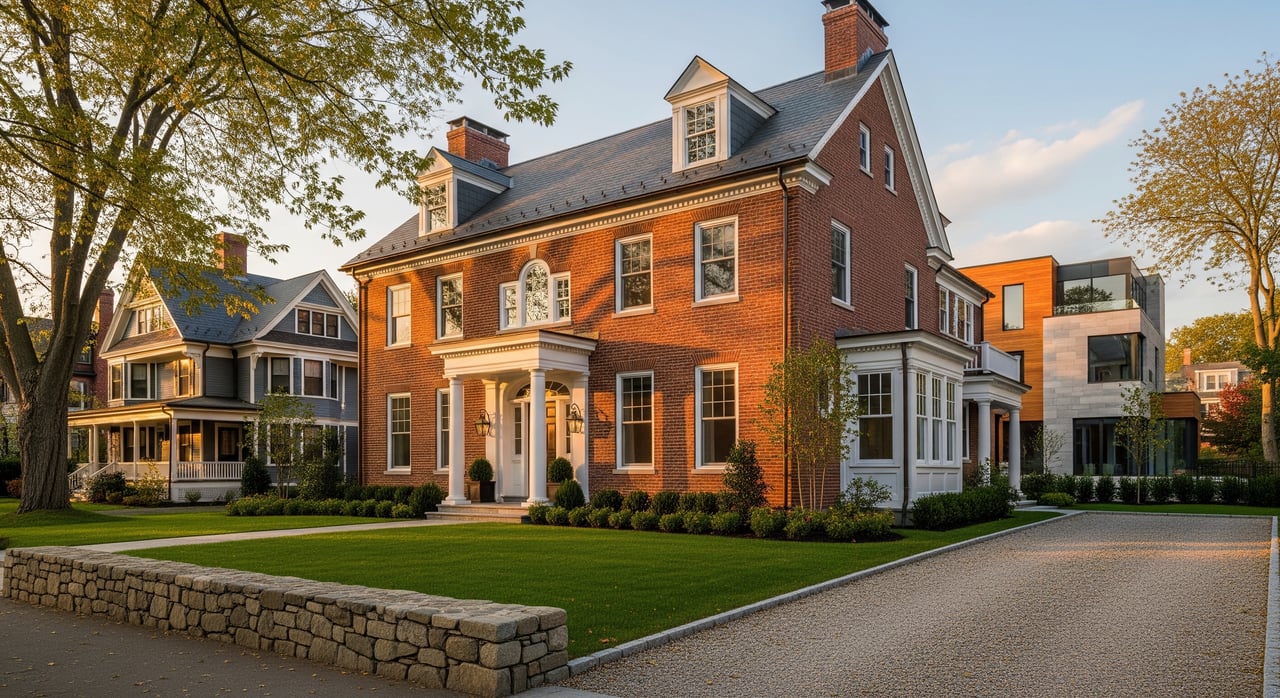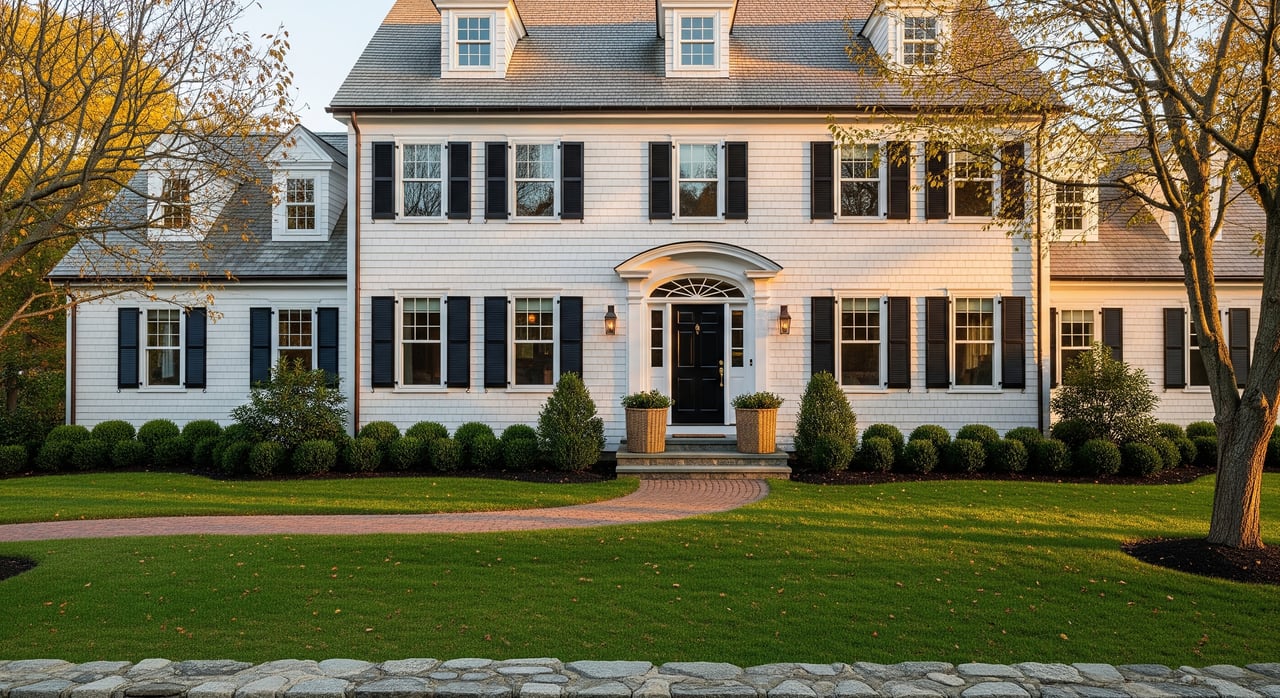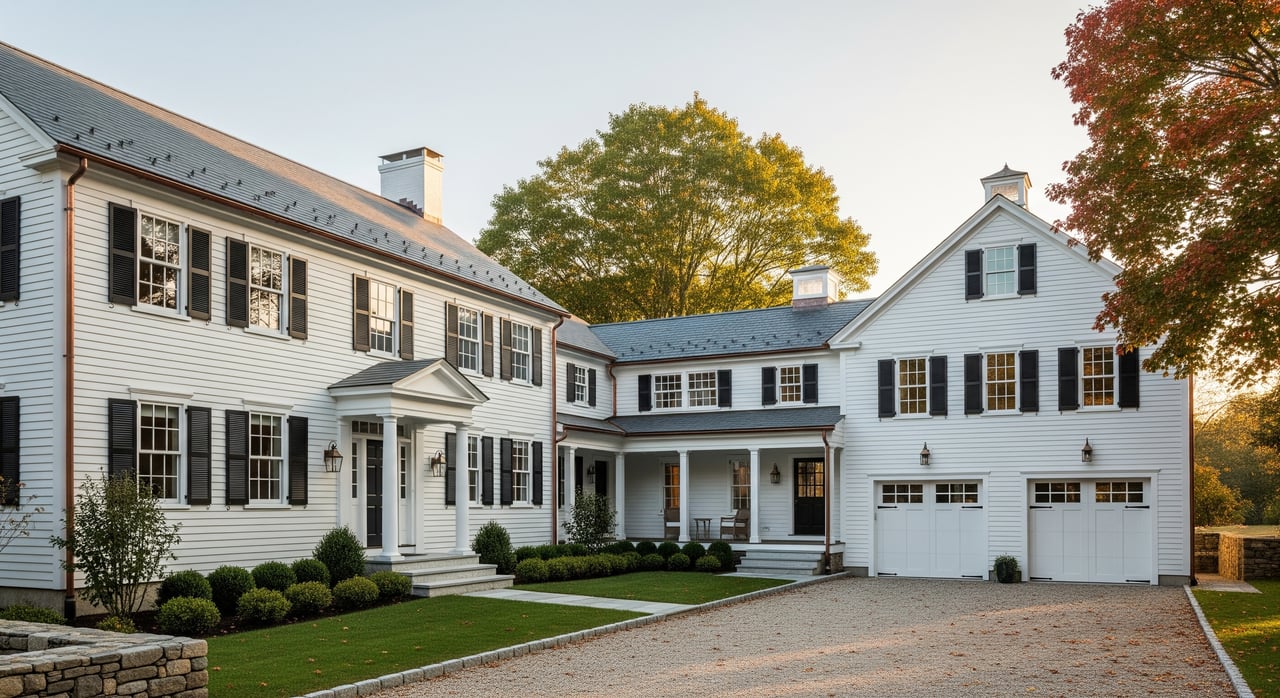
Curious if a Topsfield fixer is better to flip or hold as a rental? You are not alone. With single‑family homes, larger lots, and a steady owner‑occupant base, Topsfield can reward disciplined investors who know their numbers. In this guide, you will learn how to size up renovation scope, run core ROI metrics, understand permits and septic considerations, and compare flip versus rent outcomes in a local context. Let’s dive in.
Topsfield investor snapshot
Topsfield is a primarily residential town in Essex County with many single‑family homes on moderate to large lots. Demand often follows commuting access, a small‑town lifestyle, and neutral school district reputation, which can influence both resale and long‑term rental desirability. The rental market is thinner than denser suburbs, with demand skewed toward larger units and single‑family homes.
Local factors that can move your ROI up or down:
- Septic and Title 5 status, including potential replacement or upgrades.
- Historic or conservation restrictions that affect exterior work and timelines.
- Property tax rates and assessments that impact carrying costs and cash flow.
- Permit timing for building, plumbing, electrical, gas, and potential accessory use rules.
Use the local MLS for current medians, days on market, and inventory. Compare Topsfield to broader Essex County and Greater Boston trends before you set ARV or rent assumptions.
Flip vs. rent: how to decide
Your decision starts with clear assumptions. Build a simple pro forma for the first 12 to 24 months and pressure test it. Then compare returns, risk, and your time horizon.
Start with ARV and total cost
For a flip, your anchor is the After‑Repair Value (ARV). Estimate it using 3 to 6 recent, upgraded comps with similar lot size and bedroom count within a few miles. Then work back to your maximum offer.
Key flip formulas:
- Gross profit = ARV − (purchase price + all costs)
- ROI percent = Gross profit ÷ total cash invested
- Return on Cost = ARV ÷ (purchase price + renovation)
- Rule of thumb example: Many flippers aim for total basis at or below 70 to 75 percent of ARV as a starting heuristic. Adjust for Topsfield’s carrying costs and market velocity.
Rental metrics to run
If you plan to hold, focus on stable cash flow and long‑term value.
- Net Operating Income (NOI) = Gross rent − operating expenses
- Cap Rate = NOI ÷ purchase price
- Cash on Cash Return = annual cash flow after debt service ÷ total cash invested
- Gross Rent Multiplier (GRM) = purchase price ÷ annual gross rent, useful for quick screening
Include taxes, insurance, maintenance, reserves for capital expenditures, vacancy, and management. Residential rentals use a 27.5‑year depreciation schedule for tax purposes. Consult a CPA for guidance on depreciation, 1031 exchanges, and how capital gains or ordinary income rates apply to your plan.
Stress‑test assumptions
Build cushions into your model before you make an offer.
- Reduce rents by 10 to 20 percent and extend vacancy.
- Increase renovation costs by 10 to 20 percent as contingency.
- Add time for permits, winter delays, and material lead times.
- Model both a longer rehab and a slower resale so you see carrying cost impact.
Renovation scope and costs
Massachusetts labor and materials often price above national averages. In Topsfield, septic, structural, and any conservation or historic overlays can add cost and time. Always obtain itemized bids from licensed contractors and confirm permit requirements early.
Light cosmetic refresh
Scope: interior paint, flooring, lighting and plumbing fixtures, minor kitchen or bath updates.
- Typical cost: about 5,000 to 25,000 depending on scope and size.
- Timeline: 2 to 8 weeks.
Mid‑range renovation
Scope: new kitchen with appliances, counters, and cabinets, update bathrooms, HVAC or roof work, insulation.
- Kitchen: about 20,000 to 60,000 or more depending on quality and layout changes.
- Bathroom: about 8,000 to 25,000 per bath.
- Systems: HVAC about 8,000 to 20,000; roof about 8,000 to 20,000; windows about 400 to 1,200 per unit.
- Flooring: about 6 to 20 per square foot depending on material.
- Timeline: 8 to 16 weeks, permits included where required.
Full gut or major work
Scope: structural changes, full kitchen and baths, reconfigurations, full mechanical replacement, additions, potential septic replacement or upgrade.
- Cost: roughly 150 to 300 plus per square foot, highly variable.
- Timeline: 3 to 9 months or more depending on engineering, septic, and approvals.
Best practices:
- Build a contingency of 10 to 20 percent. Use the high end for unknowns like septic or structural.
- Verify contractor licensing and insurance and sequence inspections into your schedule.
- Confirm whether conservation or historic reviews apply before opening walls or altering exteriors.
Permits and septic essentials
Plan your permitting path before closing so you can schedule crews and protect your timeline.
Key steps:
- Due diligence: run title, confirm sewer versus septic, review any recent Title 5 reports, and book an inspection for structural and mechanicals.
- Design and engineering: engage an architect or structural engineer if you plan changes; schedule soil and percolation tests for septic design when needed.
- Permit applications: building, plumbing, electrical, gas. Seek Board of Health sign‑off for septic. If work is within protected buffers, contact the Conservation Commission. Zoning or Planning review may be required for variances or lot changes.
- Reviews and inspections: minor interior permits can be issued in a few weeks, while major work with engineering or septic can take several weeks to months. Plan for staged inspections and final occupancy sign‑off where applicable.
Massachusetts small towns vary widely in turnaround times. As a planning buffer, assume 2 to 8 weeks for straightforward permits and 2 to 6 months or more when septic, variances, or conservation reviews are involved. Seasonal factors can limit exterior work in winter, so sequence accordingly.
Example numbers: flip and rent
Use these illustrative figures as a framework and replace them with current Topsfield comps, contractor quotes, and lender terms.
Flip example:
- Purchase price: 500,000
- Rehab hard costs: 75,000
- Soft costs and permits: 7,500
- Contingency: 7,500
- Holding costs for 3 months: 6,000
- Selling costs at 6 percent commission plus closing: 33,000
- Total cash invested: 629,000
- ARV estimate: 725,000
- Gross profit before tax: 96,000
- ROI percent: about 15.3 percent
Rental example:
- Purchase price: 500,000
- Gross monthly rent estimate: 3,000
- Annual gross rent: 36,000
- Vacancy at 7 percent sets effective gross income at 33,480
- Expenses including taxes, insurance, maintenance, management: 12,000
- NOI: 21,480
- Cap rate: about 4.3 percent
These snapshots exclude financing points, detailed tax effects, and larger CapEx reserves. Run a version with your actual loan terms and add reserves for roof, systems, and septic.
Rental pricing and management in Topsfield
Rents depend on bedroom count, condition, amenities like a garage or yard, and the overall location context. Larger three bedroom plus single‑family homes often draw the most inquiries. Proximity to commuting options and local employment centers can improve demand and reduce vacancy.
How to set rents:
- Pull comps from the local MLS and nearby towns with similar product.
- Underwrite 5 to 10 percent vacancy to be conservative.
- Watch seasonality. New England rental interest often dips in winter and strengthens late spring through early fall.
Management choices:
- Self‑manage if you live nearby and can handle tenant placement, maintenance, and emergencies.
- Hire a property manager for 8 to 12 percent of monthly rent for single‑family homes, with potential minimums. Include tenant placement fees in your pro forma.
- Use a landlord policy rather than an owner‑occupied policy. Price accordingly.
Legal notes:
- Massachusetts landlord‑tenant laws include specific rules for security deposits and notice periods. Use a compliant lease and consult an attorney.
- Check Topsfield bylaws for any short‑term rental or licensing rules before listing a furnished or short‑term unit.
Exit strategies in this market
There is no one right answer. Align the exit with your goals, capital needs, and risk tolerance.
- Flip: Quick capital recycling and the chance to capture renovation value. Weigh transaction costs, timing risk, and tax treatment.
- Rent: Ongoing cash flow, depreciation benefits, and long‑term appreciation potential. Requires management capacity and tolerance for vacancy swings.
- BRRRR: Buy, rehab, rent, refinance, repeat to recycle capital. Success hinges on accurate ARV and a solid post‑rehab appraisal.
- Owner‑occupant route: Buy and improve, then live in the home or sequence a sale of your current primary. This can reduce carrying costs but may limit flexibility.
Use your pro forma to compare after‑tax returns and test sensitivity if ARV or rents come in 10 to 20 percent lower or if costs rise 10 to 20 percent.
6‑step deal checklist
- Define your exit. Flip, rent, or a hybrid based on capital, timeline, and risk.
- Build the pro forma. Include purchase, rehab, soft costs, contingency, holding, and either selling or operating costs.
- Validate ARV and rent. Use recent renovated comps and realistic rental comps, then stress‑test.
- Vet the house. Inspect for roof, structural, electrical, HVAC, and septic. Confirm Title 5 status.
- Map permits and timeline. Speak with the Building Department, Board of Health, and Conservation if applicable. Sequence inspections and winter work.
- Price your capital. Get written contractor bids and loan quotes. Compare returns net of financing and taxes.
Common risks and how to hedge
- Septic surprises: Budget for testing and potential replacement. A failed Title 5 can materially impact both timeline and cost.
- Permit delays: Build a 4 to 8 week buffer for minor work and more for major projects.
- Winter constraints: Plan exterior work for spring or summer and lock material orders early.
- Market timing: Keep listing presentation strong and price with discipline if you are flipping. Consider a rental pivot if resale margins compress.
Ready to run the numbers?
If you want a clear, local read on ARV, rehab scope, and rent potential in Topsfield, bring us the address and your budget. We will help you structure a pro forma, flag permitting or septic issues early, and map a flip or hold plan that matches your goals. For a practical, numbers‑first consult, connect with Davis McVay.
FAQs
What ROI should a Topsfield flipper target?
- Many investors start with total cost at or below 70 to 75 percent of ARV, then adjust for carrying costs, risk, and local velocity.
How long do permits usually take in Topsfield?
- Simple interior permits can take a few weeks, while projects with septic, variances, or conservation reviews can extend several weeks to months.
How do septic and Title 5 affect ROI in Topsfield?
- Septic testing, design, and replacement can add significant cost and time, so confirm Title 5 status early and set a larger contingency.
What rental metrics matter most for Topsfield?
- Focus on NOI, cap rate, and cash on cash return, and include 5 to 10 percent vacancy plus reserves for capital expenditures.
When is renting better than flipping in Topsfield?
- Renting can be stronger when cap rates and cash flow are acceptable and when resale margins are thin or timing risk is high.